
How to optimise home grocery deliveries
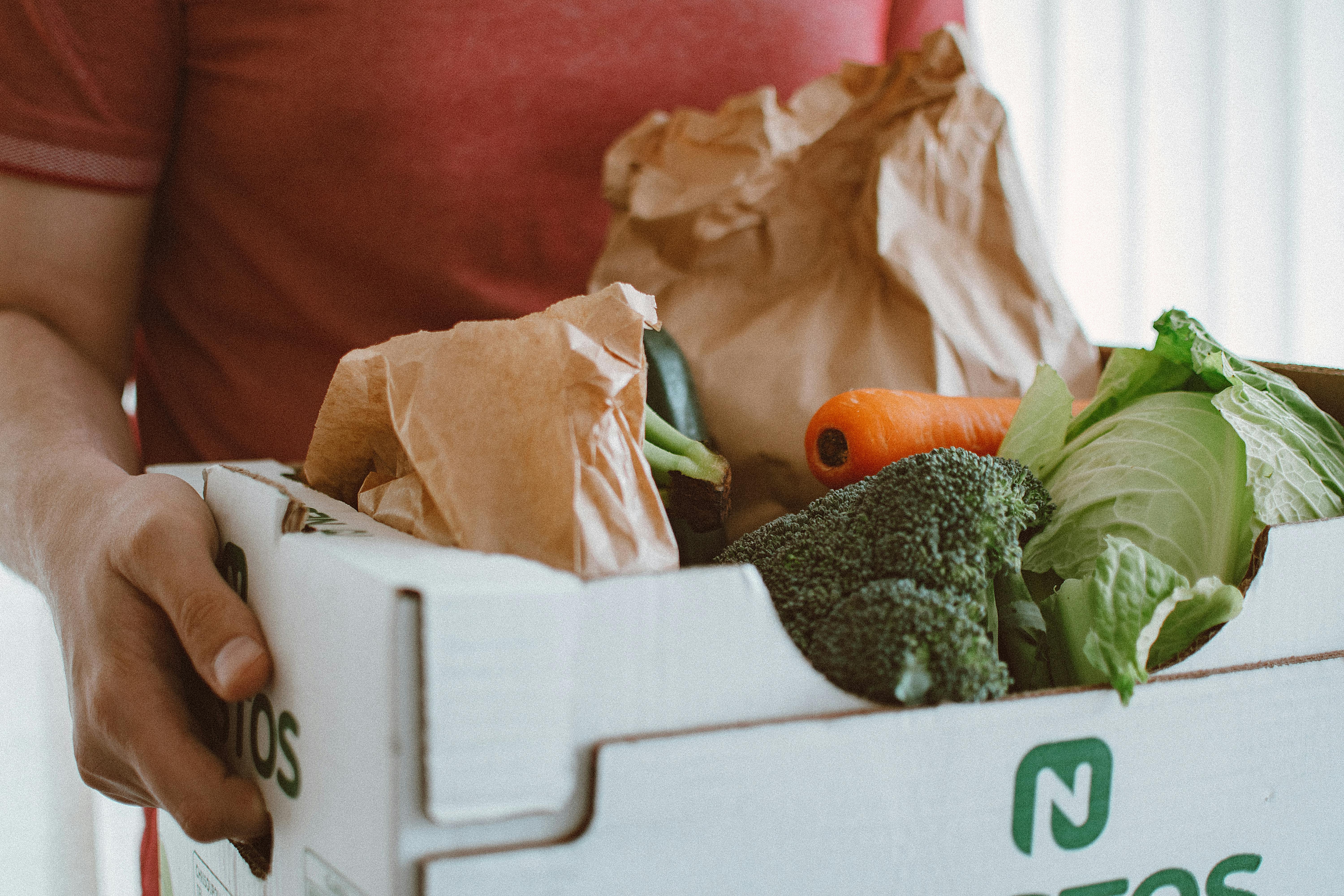
There was always something very inefficient about grocery shopping in supermarkets, with items constantly being relocated from shelf to trolley to checkout conveyor to bag to car to kitchen. By contrast, the relatively modern phenomenon of grocery delivery services saves time, eliminating the stress and inconvenience of trawling around huge supermarkets trying to track down specific items.
Despite the obvious time and labour savings, organising home grocery deliveries can also become stressful if it isn’t managed effectively. These are our tips on simplifying and optimising the process of having the weekly shop delivered to your door…
- Choose one store and stick to it
Some people love to hunt for bargains, but most of us simply want to keep our fridge and cupboards stocked up. Signing up to a monthly delivery contract with a big supermarket means you’ll pay less overall for each individual delivery, while benefiting from member pricing discounts. If you get bored of that firm’s produce, switch your delivery subscription to a competitor. You can always pop to other shops to stock up on exclusive product lines.
- Ask other people what they want
Few things are more irritating than doing a grocery shop and then being chided for not buying a specific thing. Since only one person can use a laptop at a time, ask household members if there’s anything they want before clicking Checkout. As you think of things you want/need in the days prior to doing the order, write them down or save them to an Alexa or Trello list. If the supermarket has an app, download it and add items to your next scheduled delivery slot.
- Rely on a favourites list
The algorithms powering online grocery orders are clever at identifying and suggesting repeat purchases, but if your chosen store doesn’t offer a favourites list of regularly bought items, set one up yourself. It’s quicker and easier to assemble the bones of a new order by selecting weekly staples, before adding one-off/spontaneous/occasional additions to your online basket. This makes starting a new order less daunting, and it’ll be finished more quickly.
- Devise a meal plan before doing your shopping
Some people wander aimlessly around a supermarket choosing whatever takes their fancy, but this doesn’t work when you’re staring at a blank Search bar. Sketch out a rough meal plan for the coming week and then search for all the necessary ingredients, meal by meal. It’s cost-effective to pick dishes which share common ingredients, and don’t worry in advance about what gets eaten on which days.
- Prepare your kitchen prior to the shopping’s arrival
Go through your fridge and cupboards, making space for new goods by throwing away out of date items. If you’re buying something you’ve already got in stock, position the old one in front of the new one; this date rotation reduces the risk of items going off. If delivery drivers won’t venture past your front door, put half a dozen empty bags for life in the hall ready to chuck items into, and clear kitchen worktops to sit the bags/trays on while you empty them.
- Don’t be too quick to check out the order
Some supermarkets try and tempt you with suggested or recommended items at the checkout stage, which might identify things you’ve forgotten to order. This review stage is also your last opportunity to specify which items you would (and wouldn’t) accept substitutions on. Check the date and time of the scheduled order to ensure you’ll be at home, and if you have multiple delivery addresses saved, confirm you’ve ticked the right one before clicking Finish.
Back to Latest Posts