
The resurgence of board games
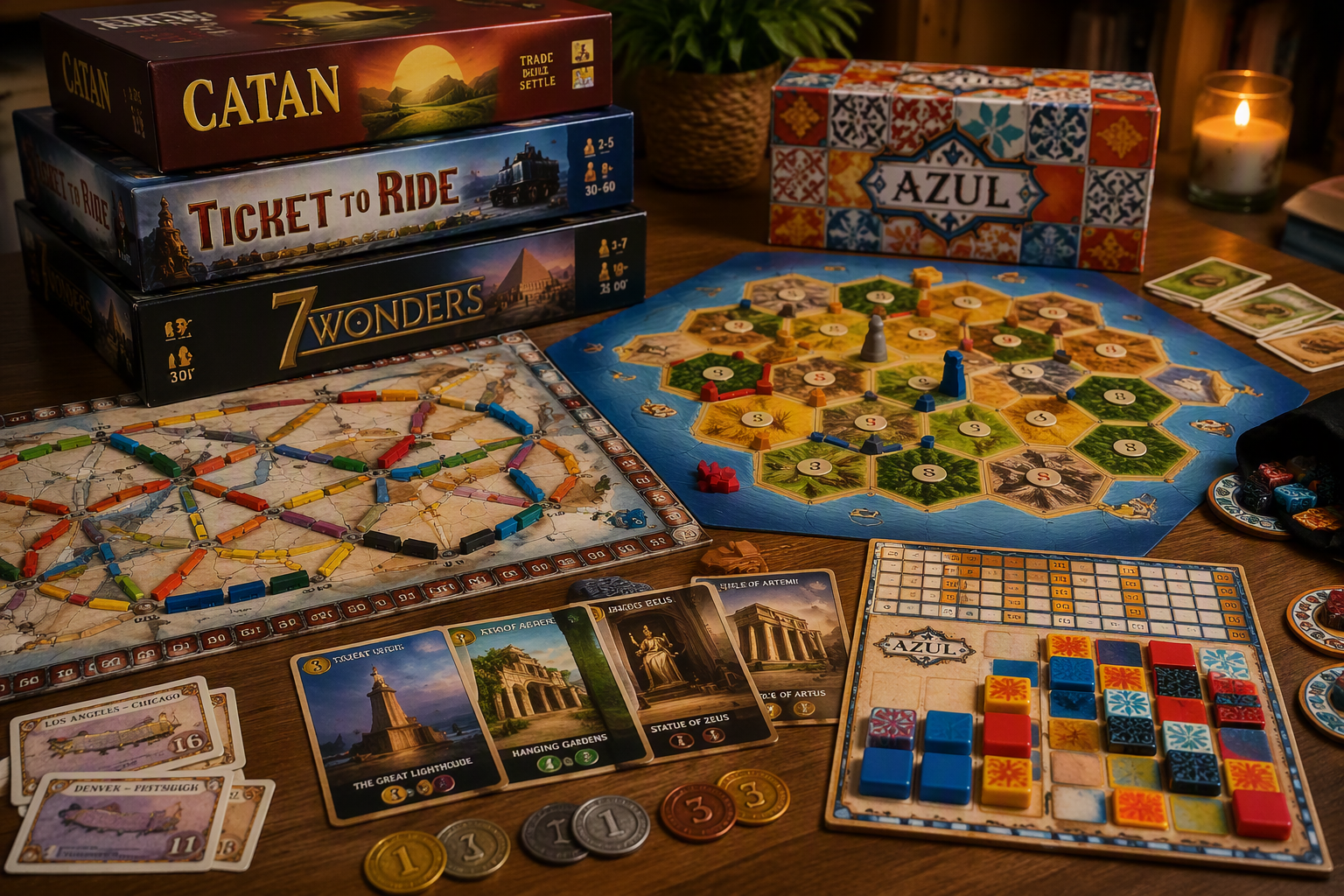
As awareness grows about the risks and dangers of social media, people are increasingly seeking simpler pleasures offline. We tended to be more content in the decades before push notifications and doomscrolling, especially since families spent more time together engaged in shared activities like watching TV or playing games. We might have had less choice in entertainment before streaming media and online gambling came along, but overwhelming evidence suggests we were happier.
Board games are a time-honoured pastime, where every player has a degree of autonomy and competition generally remains healthy rather than hostile. It’s perhaps unsurprising that board games have been enjoying a renaissance in recent times, as adults rediscover their own childhood favourites and introduce a new generation to fold-out boards or decks of cards. Few parents will ever wish they’d spent less time playing games with their children.
Chairman of the board
Board games can be split into several distinct categories. There are card and dice games, tabletop games, collectible card games, miniature games and role-playing games (RPGs). The first category is the most lucrative and iconic, embracing classics like Trivial Pursuit and Monopoly. Tabletop games include Operation or chess, whereas collectible card games extend to Pokémon and Magic: The Gathering. The latter has some stylistic crossover with miniature games and RPGs such as Warhammer 40K, beloved by a sizeable audience of fantasy world enthusiasts.
Offline gaming was reportedly in terminal decline as home broadband and games consoles flourished through the Noughties. Yet today, the UK board games market is conservatively valued at £500 million. Toy shops and supermarkets dedicate entire aisles to old favourites and modern spinoffs like the outrageous Cards Against Humanity – a clear descendant of Eighties classic Balderdash. Even the originals have often been updated; Game of Life now comes with a computerised spinner and points allocator instead of the time-honoured pegs and tokens.
Boxing clever
The global board games industry was worth over $20 billion last year, and 12-18-year-olds reportedly spent more on board games than any other age group. The UK has seen a rapid rise in board game cafés, and no hipster hangout would be complete without battered boxes of Scrabble or Cluedo on a shelf. Their presence in trendy bars and cafés is telling, since there’s a social element to many games that can’t be replicated on a smartphone or tablet, regardless of how many real or supposed ‘friends’ are also online.
While community-driven initiatives such as games clubs serve a number of social roles, board games will always belong in the home. They help younger children evolve their fine motor skills, arithmetic, imaginative play and concepts like taking turns. They help older children to articulate themselves through drawing (Pictionary, Scrawl) or deduction (Avalon, Codenames). Even the moodiest teen will be intrigued by the macabre Gloom and amused by the absurd Exploding Kittens, while Uno and Dobble are pocket card games offering near-universal appeal.
A key attribute of board games has always been their cost-effectiveness. A second-hand game in good condition can bring just as much enjoyment as a brand new one. It involves no subscriptions, no updates, no push notifications and no intrusive advertising. A well-maintained board game will provide family entertainment for many years to come, immersing every participant in a wholesome pastime from a much more pleasant era.
Back to Latest Posts